

- 0
- 600 words
Austin City Council approved a resolution to move 911 operations out of the control of the Austin Police Department and to an independent call center called the Office of Joint Emergency Communications. The changes, which were criticized by some Austin leadership, will be implemented after a public safety report is finalized.
The resolution, approved during the Council’s budget approval meeting on Aug. 12,
comes after a 2024 State of Public Safety presentation by APD found that response time for emergency and urgent calls had lengthened since 2022.
Currently, APD answers all calls and redirects those regarding fire, mental health and other issues, while keeping APD-relevant questions on the line. The primary change to 911 operations will add a layer to responses. When calls are answered, they will be redirected to all relevant departments.
The Austin Combined Transportation, Emergency & Communications Center, which supports the APD call center, previously saw a staffing increase. Michael Bullock, president of the Austin Police Association, said the recent changes were made possible by Police Chief Lisa Davis’ and other city officials’ support. Bullock said the center is already improving response times to emergency operations and said the resolution to relocate calls was disrespectful to Davis’ efforts.
“Rarely does it seem like it’s going to be more efficient when we create more layers of bureaucracy between someone who’s calling 911,” Bullock said. “When you get away from APD or any public safety entity actually managing the call center, it’s going to create more problems and more inefficiencies than it is efficiencies because an independent joint emergency communications (center) means that you’re taking the ability of the department … to address issues quickly.”
A preliminary study by the city found that many response time issues were not caused by the call centers and their staffing and were rather based on the availability of emergency responders.
Bullock said he was frustrated that the city paid for this study and moved forward with the new Department, which would take $675,000 from APD’s budget.
“We’re about 700 officers short of where we should be for a city our size and what our department needs, and so when you’re taking away (money) from recruiting, which is the one area that will actually improve response times, I think it again highlights how disconnected Council is from the actual needs of public safety,” Bullock said.
Council Member Zohaib “Zo” Qadri, who represents District 9, including UT and West Campus, voted in support of the resolution. Qadri said that because not all emergency calls require APD response, and some could require mental health professionals, a better system is needed.
“The creation of the Joint Emergency Communications department is an opportunity to improve how Austin coordinates and responds when residents call for help,” Qadri said. “Emergency communications … is a critical part of public safety. And when someone calls 911, we need to make sure that their call is answered quickly and it’s assessed appropriately, and it’s connected to the right response.”
A City of Austin spokesperson wrote in a statement that the development of the department will be informed by findings in a report on Austin’s emergency response times by Mission Critical Partners — a public safety consulting firm. The city has not determined a timeline for when the Department will be finalized, according to a memo by City Manager T.C. Broadnax.
“Public safety is broader than policing, and our hope is that (the) new department helps us build a more coordinated, responsive and effective emergency response system,” Qadri said. “I think it also answers a long-standing community call that we’ve heard from residents.”
Author

zcjz2d8nuy3s@modelesque.net
Related Posts
No. 8 Texas volleyball earns second conference win against Mississippi State in sweep
- 0
- 522 words
Texas volleyball began its match against the Mississippi State Bulldogs, the Longhorns’ third Southeastern Conference game this season, with a front row...
Read out all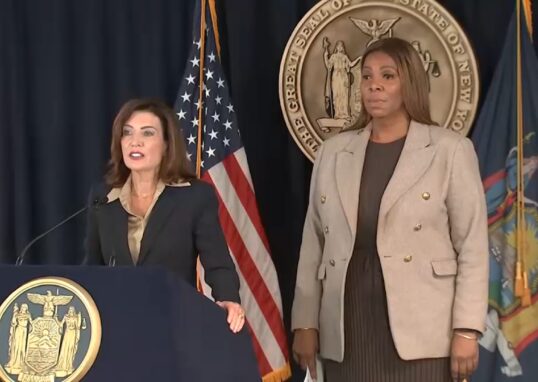
Hochul names Letitia James special prosecutor in Cornell rape case, blasts ‘bare minimum’ DA
- 0
- 21 words
The Cornell rape accuser was ‘failed’ by people obligated to protect her, Gov. Hochul said at a news conference on Friday.
Read out all
Week 6 Texas high school football scores
- 0
- 22 words
Austin High earned its first win, Cedar Ridge stayed unbeaten and district races continued to take shape across Central Texas in Week...
Read out all
Texas to build 2 new juvenile centers, including 1 in Brazoria Co., as youth gun crime increases
- 0
- 27 words
Officials said the state will be spending $300M for one to be built in Rosharon and the other near Waxahachie, Texas, as...
Read out all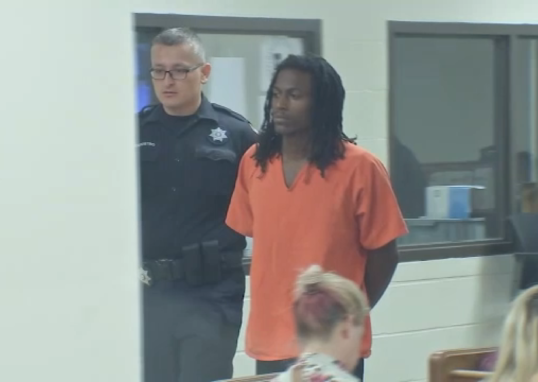
Suspect in Good Samaritan’s murder previously charged with 4 felonies while in jail, records show
- 0
- 31 words
Records show the man charged with capital murder in the shooting death of a Good Samaritan on Wednesday was previously charged with...
Read out allACL headliner deep cuts to listen to after the set
- 0
- 462 words
Music festivals are notorious for being poor places to see artists if one is attempting to fully immerse themselves in an artist’s...
Read out all