

- 0
- 463 words
25 years after “Legally Blonde” inspired generations of young women to pursue their dreams, Amazon Prime Video returned to the franchise with “Elle,” a TV series prequel exploring the high school years of one of pop culture’s most iconic characters. Executively produced by Reese Witherspoon (“Legally Blonde”) and starring newcomer Lexi Minetree, the series attempts to answer a question very few audiences were asking: who was Elle Woods before Harvard Law?
Set in 1995, the show follows 16-year-old Elle Woods after her father, a plastic surgeon, gave a client a botched nose job that forced her family to move from upbeat Los Angeles to dreary Seattle. Leaving behind the glamorous and almost perfect life she knows, Woods finds herself navigating an unwelcoming high school where grunge fashion and cliquey social politics challenge her LA upbringing. The series explores Woods’ friendships, family relationships and growing confidence as she learns the archetypical and overdone lesson to stay true to herself.
Minetree shoulders the daunting task of stepping into the role of Elle Woods, which will forever be associated with Reese Witherspoon, yet she succeeds more than expected. Minetree captures Woods’ optimism and warmth while allowing flashes of teenage insecurity to shine through. Her performance feels authentic enough that viewers can imagine this version eventually becoming the confident law student that audiences met in 2001, even if the gaping narrative inconsistency makes that impossible.
Unfortunately, the show’s writing offers nothing innovative or even slightly different to any other teen drama. Many episodic storylines follow recognizable formulas complete with predictable high school mean girl rivalries, love triangles and friendship misunderstandings. The predictable and tiring plot offers nothing new to audiences, making the reboot series redundant. Woods’ personality was trustworthy and charismatic enough to carry the original film, but the series relies on traditional plot twists and tropes that ignore what made the original so memorable.
Perhaps the show’s biggest flaw remains how astonishingly tone-deaf its central conflicts are. Much of the plot amounts to a wealthy teenager struggling with moving cities, thus wreaking havoc on people’s lives. She even inadvertently causes a single mother to be fired from her job after telling the school she used school funds to pay for student’s lunches. Woods’ overwhelmingly privileged inconveniences and ignorance she has for other characters makes it difficult for audiences to sympathise with her problems.
The original “Legally Blonde” succeeded because Elle Woods inspired audiences to defy expectations through intelligence and empathy whilst remaining her unapologetically-pink self. In “Elle,” these defining qualities emerge intermittently, heavily weighed down by unoriginal writing. Classified as a comedy series, “Elle” features none of the humour and campy satire the original flourished with and, as a result, the show feels as dreary as its depiction of Seattle.
2 reboots out of 5
Author

zcjz2d8nuy3s@modelesque.net
Related Posts
No. 8 Texas volleyball earns second conference win against Mississippi State in sweep
- 0
- 522 words
Texas volleyball began its match against the Mississippi State Bulldogs, the Longhorns’ third Southeastern Conference game this season, with a front row...
Read out all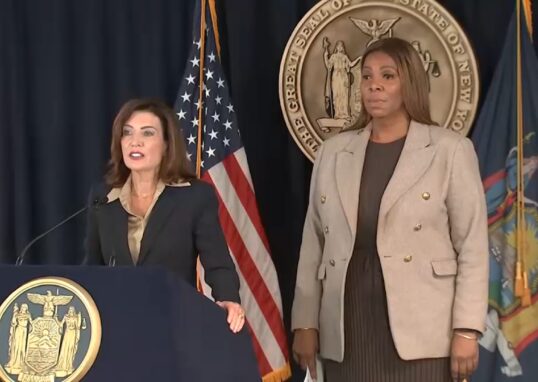
Hochul names Letitia James special prosecutor in Cornell rape case, blasts ‘bare minimum’ DA
- 0
- 21 words
The Cornell rape accuser was ‘failed’ by people obligated to protect her, Gov. Hochul said at a news conference on Friday.
Read out all
Week 6 Texas high school football scores
- 0
- 22 words
Austin High earned its first win, Cedar Ridge stayed unbeaten and district races continued to take shape across Central Texas in Week...
Read out all
Texas to build 2 new juvenile centers, including 1 in Brazoria Co., as youth gun crime increases
- 0
- 27 words
Officials said the state will be spending $300M for one to be built in Rosharon and the other near Waxahachie, Texas, as...
Read out all
Suspect in Good Samaritan’s murder previously charged with 4 felonies while in jail, records show
- 0
- 31 words
Records show the man charged with capital murder in the shooting death of a Good Samaritan on Wednesday was previously charged with...
Read out allACL headliner deep cuts to listen to after the set
- 0
- 462 words
Music festivals are notorious for being poor places to see artists if one is attempting to fully immerse themselves in an artist’s...
Read out all