

- 0
- 578 words
It seems like the era of body positivity is over, and skinny bodies are being glorified once again. On platforms like TikTok and Instagram, I have seen a surge of my favorite celebrities and influencers becoming ultra-thin and working out excessively. Through memes about Ozempic, advice on perfecting your summer body and antagonizing weight gain, the internet is finding new ways to discreetly promote being thin over being healthy. Social media trends are pushing dangerous eating habits, and it’s increasingly harming young audiences.
A 2024 study found that 16% of TikTok videos about weight loss promote a negative portrayal of body image. “What I eat in a day” videos have grown in popularity, highlighting a deeper issue surrounding the rise of diet culture. Conversations about portion control and intuitive eating seem to be less about a well-balanced diet and getting stronger and more like a competition of who can be the thinnest.
Disordered eating isn’t just fueled by the content we see. As a society, our negative tone surrounding food also pushes young women to compare their bodies. Calling yourself a “big back” for eating a cupcake or joking about starving yourself to achieve your summer body may seem harmless, but this kind of rhetoric can be especially harmful towards young women who are often the target of trends promoting disordered eating culture.
Wanting to be fit is not the problem: fearing food is. In an effort to get in shape and establish a well-balanced diet, we should not demonize every calorie or meal. It’s okay to indulge in dessert and fast food every so often, while still being healthy.
“The trend that I’ve seen is that wellness culture will use language that sounds very food positive or body image positive, but is actually coming from a restrictive or kind of rigid place,” said Maggie Stenson, registered dietitian and owner of ATX Nutritional Counseling. “I think a lot of times it just opens up a lot of comparison, and we aren’t seeing the full picture of people’s lives.”
Although many people believe content creators who talk about dieting hold a responsibility to their audiences to be body positive, others think the flaw lies in society’s need to police women’s bodies. While women are often the ones being shamed for being too thin or too fat, we owe it to young girls to break the cycle of toxic eating habits.
“I would always just genuinely remind them that your body hasn’t even fully developed yet. You don’t even know what you’re gonna look like, so you should prioritize your health over your appearance, 1,000%,” psychology junior Leyla Carrillo said.
Comparison further perpetuates the damaging role harmful eating habits play in our relationships with food. Instead of viewing every bite as something to feel guilty about, we should emphasize the importance of a balanced diet. To properly nourish our bodies, we need to hit every food group and eat enough to stay satiated. It may not seem serious, but when you start skipping meals and calculating calories, it can be difficult to stop. Restriction has many harmful impacts on the body, including brain fog, weak bones and vitamin deficiencies. Food should not be viewed as a tool to attain unrealistic body standards but a source of energy to function.
Remember: food is fuel, and you don’t have to be perfect.
Sayed is a health and society sophomore from Frisco, Texas.
Author

zcjz2d8nuy3s@modelesque.net
Related Posts
No. 8 Texas volleyball earns second conference win against Mississippi State in sweep
- 0
- 522 words
Texas volleyball began its match against the Mississippi State Bulldogs, the Longhorns’ third Southeastern Conference game this season, with a front row...
Read out all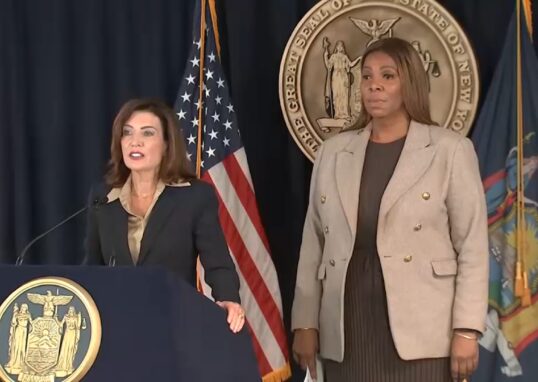
Hochul names Letitia James special prosecutor in Cornell rape case, blasts ‘bare minimum’ DA
- 0
- 21 words
The Cornell rape accuser was ‘failed’ by people obligated to protect her, Gov. Hochul said at a news conference on Friday.
Read out all
Week 6 Texas high school football scores
- 0
- 22 words
Austin High earned its first win, Cedar Ridge stayed unbeaten and district races continued to take shape across Central Texas in Week...
Read out all
Texas to build 2 new juvenile centers, including 1 in Brazoria Co., as youth gun crime increases
- 0
- 27 words
Officials said the state will be spending $300M for one to be built in Rosharon and the other near Waxahachie, Texas, as...
Read out all
Suspect in Good Samaritan’s murder previously charged with 4 felonies while in jail, records show
- 0
- 31 words
Records show the man charged with capital murder in the shooting death of a Good Samaritan on Wednesday was previously charged with...
Read out allACL headliner deep cuts to listen to after the set
- 0
- 462 words
Music festivals are notorious for being poor places to see artists if one is attempting to fully immerse themselves in an artist’s...
Read out all